Mexican Spanish Slang Every Traveler Should Know
June 9, 2026 • SpanishNow • 6 minute read
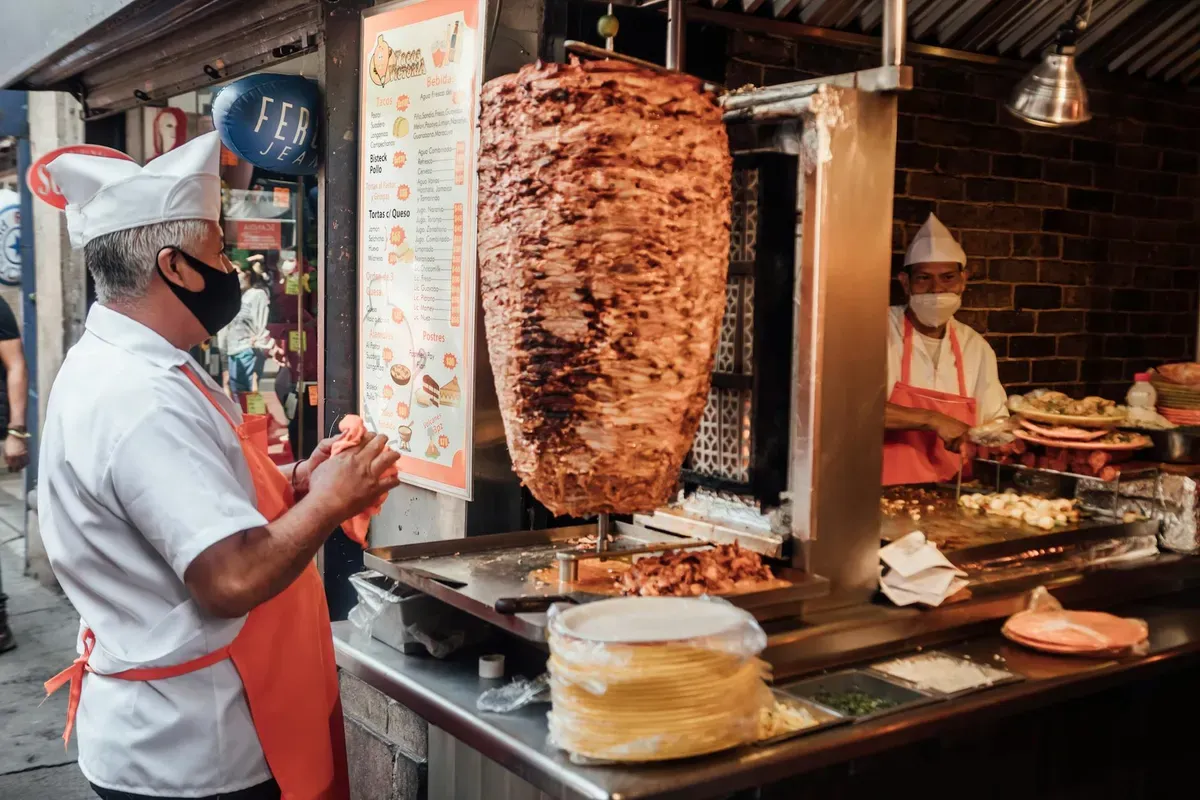
Table of Contents
- How to read this guide — register in 30 seconds
- The four words you’ll hear on day one
- Friendly reactions and fillers you can try
- Describing things and people
- Eating, drinking, and going out
- Time, money, and survival words
- The vulgar tier — understand it, mostly don’t say it
- The mistakes travelers make most
Within an hour of landing in Mexico City, your textbook Spanish runs out. You order a taco, the vendor says something fast and friendly, and you catch exactly none of it — because no beginner course teaches ¿qué onda?, güey, or ahorita. Worse, most slang lists translate a word, give one example, and stop. They never tell you the thing that actually keeps you out of trouble: whether you can say it to a police officer, a grandmother, or only to a friend at the hostel.
This guide fixes that. Every term below is tagged two ways: who you can safely say it to, and how rude it really is. Get those right and you’ll sound warm and switched-on instead of like a tourist who memorized one crude phrase from a video.
How to read this guide — register in 30 seconds
Think of every slang word on two axes. First, audience: some words are fine with anyone (strangers, elders, officials), some only with peers and friends. Second, edge: a word can be neutral, casual, edgy (rough but fine among friends), or vulgar. A word can be totally normal and still land badly — güey isn’t a swear word, but calling a stranger one sounds childish or disrespectful.
One rule saves you almost every time: match the other person’s level. If they’re casual with you, be casual back. If they’re formal, stay formal. This is the same instinct behind choosing tú versus usted — slang is just that dial turned up.
The four words you’ll hear on day one
These four show up constantly, and each carries a small lesson about register.
| Spanish | English | Who to say it to |
|---|---|---|
| ¿Qué onda? | What's up? / How's it going? | peers, friendly strangers |
| güey | dude / man / bro | friends only |
| Mande | Yes? / Pardon? | anyone — it's polite |
| Provecho | Enjoy your meal | anyone, even strangers |
¿Qué onda? (literally “what wave?”) is your friendly “what’s up.” Use it with people your own age; soften to ¿cómo está? for elders. Güey (you’ll see it texted as wey, and it’s all pronounced “way”) means “dude” — natural with friends, off-limits with a shopkeeper or official. Mande is the traditional polite “Pardon?” when you didn’t catch something; it’s safe everywhere. And provecho — short for buen provecho — is a small courtesy you say arriving at, eating at, or leaving a table near other diners. Drop a provecho on your way out of a fonda and watch people light up.
Friendly reactions and fillers you can try
These are the low-risk words to start sprinkling in. They’re casual but not crude, and they make you sound like you’re actually following the conversation.
| Spanish | English |
|---|---|
| ¡Órale! | Wow! / Okay! / Right on! |
| Ándale | Come on / That's it / Go ahead |
| La neta | Honestly / the truth (¿neta? = really?) |
| Sale | Okay / Deal / Sure |
| ¡Aguas! | Watch out! / Careful! |
Órale flexes from agreement to surprise; ándale nudges someone along; neta swears you’re being honest; sale seals a plan. Aguas is the one you can say to anyone helpfully — shout it when someone’s about to step in a puddle and you’ll sound like a local.

Enjoying this?
Slang sticks when you hear it in context, not on a list. Grab our free PDF of the 100 most useful Spanish words — real, everyday vocabulary, sent straight to your inbox.
Describing things and people
| Spanish | English |
|---|---|
| chido | cool / awesome |
| ¡Qué padre! | How cool! / Awesome! |
| cuate | buddy / pal |
| fresa | preppy / posh / stuck-up |
| naco | tacky / low-class |
Chido is the perfect first slang word — casual, never vulgar, instantly useful: tu coche está bien chido (“your car is really cool”). Cuate is a warm, safe “buddy” — friendlier than güey. Fresa means a preppy, posh person, and naco means tacky or low-class — both are mild insults, so understand them but don’t aim them at strangers.
Watch the double meanings. Mexican slang loves a word that means two things at once: padre is “father” and “cool,” and fresa is “strawberry” and “posh.” Tone and context decide, which is exactly the trap behind other Spanish false friends — so let the situation, not the dictionary, tell you which one is meant.
Eating, drinking, and going out
High-value territory for any traveler. These get you fed, watered, and out for the night.
| Spanish | English |
|---|---|
| ¡Salud! | Cheers! (also: bless you) |
| una chela | a beer (informal) |
| un antro | a nightclub |
| crudo | hungover |
| la propina | the tip (gratuity) |
Raise a glass with salud, grab una chela (a beer), and head to un antro (a club). Pay your respects to the propina — ¿está incluida la propina? is a genuinely useful question. And the morning after, you’ll know exactly why you feel crudo, which literally means “raw” but really means “hungover.”
Time, money, and survival words
| Spanish | English |
|---|---|
| ahorita | right now (… ish) |
| la chamba | work / job |
| la lana | money / cash |
| No hay bronca | No problem / No worries |
| el gringo | the foreigner |
Here’s the famous trap: ahorita looks like “right now” but stretches. Ahorita te lo traigo can mean twenty minutes from now. For a true “this instant,” say ahora mismo or ya. Stash some lana (cash), don’t sweat any bronca (problem) because there usually isn’t one — no hay bronca — and don’t flinch when someone calls you gringo. In Mexico it’s descriptive, not a slur; it usually just means “foreigner.”
The vulgar tier — understand it, mostly don’t say it
These are everywhere in real speech, so you need to recognize them. But the honest traveler advice is: keep most of these in your comprehension vocabulary, not your production vocabulary.
No manches (“no way!”) is edgy but socially fine — it’s the polite cousin of no mames, which means the same thing but is genuinely vulgar. ¿Qué pedo? is the crude twin of ¿qué onda? and can sound aggressive. Pinche (“damn / freaking”) and pendejo (“idiot”) are real profanity and a real insult — funny among close friends, dangerous with strangers. And chingar is the all-purpose vulgar verb whose family is endless (chingón = “badass / awesome”).
The mistakes travelers make most
Three patterns trip up nearly everyone. One: saying güey to a shopkeeper or elder — keep it for peers. Two: treating no mames and no manches as interchangeable — they mean the same thing, but only one is clean. Three: taking ahorita literally and then getting frustrated when “right now” takes half an hour. Avoid those three and you’re ahead of most visitors.
And don’t over-slang. Stacking órale güey, no mames, qué pedo into one sentence with shaky grammar reads as performative. Start small, listen hard, and add words as your ear catches up.
You don’t need all of this on day one. Land with three safe words — chido, órale, and ¿qué onda? — and you’ll already sound warmer and more tuned-in than the phrasebook tourist next to you. Tuck a provecho into your next meal, and once your greetings feel natural, level them up with the real-world replies in how to respond to ¿cómo estás?. The rest you’ll pick up one taco stand at a time.
Can you read the room?
5 quick questions to see what stuck.
-
You didn't hear what an older shopkeeper said. What's the polite reply?
Mande is the standard polite 'Pardon?' in Mexico. A blunt ¿qué? can sound abrupt with elders.
-
“Ahorita lo traigo” reliably means a waiter will be back in under a minute.
Ahorita is elastic — it can mean 20 minutes, later, or maybe never. For a real 'right now,' say ahora mismo or ya.
-
Which word is the SAFE, clean way to say 'no way!'?
No manches is the polite cousin of the genuinely vulgar no mames.
-
Match each slang word to what it means.
Tap a Spanish word, then its English meaning to pair them.
Spanish
English
-
Complete the friendly greeting: “¿___ onda?” (What's up?)
¿Qué onda? is the casual Mexican 'what's up,' safe with peers and friendly strangers your age.
Related Articles


Keep going with Spanish.
Get our starter pack of the 100 most common words — and the occasional new lesson when one's worth reading.