Articles & Guides
Grammar breakdowns, vocabulary guides, and cultural insights to accelerate your Spanish.
No articles found.
No articles in this category yet.
Check back soon — new content is on the way.
Grammar
Understand the mechanics of Spanish — verb focus, sentence structure, affixes, and more.

El or La? Spanish Noun Gender Rules Made Simple
El or la? Spanish noun gender is ~99% readable off the word's ending. Learn the o/a defaults, LONERS, feminine endings, and the handful of rebels to memorize.

How to Say "I Like" in Spanish: Gustar Without the Confusion
Say I like in Spanish with gustar the right way: me gusta vs me gustan, why it's never yo gusto, the pronouns, articles, and five verbs that copy the pattern.

How to Say "You" in Spanish: Tú, Usted, Vos & Vosotros
Spanish has five words for "you": tú, usted, vos, vosotros, and ustedes. Learn which to use by who you're talking to and where — plus the verb endings.

Por vs Para in Spanish: One Mental Model, No Acronyms
Por looks backward at cause and path; para looks forward at goal and destination. Master por vs para in Spanish with one mental model — no acronyms needed.

Preterite vs. Imperfect: Spanish Past Tense Made Easy
Preterite vs. imperfect: use the preterite for finished events, the imperfect for ongoing scenery. A trigger-word cheat sheet, flowchart, and examples.

Ser vs. Estar: When to Use Each in Spanish
Ser vs estar made simple: how you feel and where you are use estar, everything else uses ser. Master the rule, the exceptions, and the traps that flip meaning.

Spanish Accent Marks: 3 Rules for Every Word
A Spanish word needs an accent mark in just three cases: it breaks the default stress, it's a homophone, or a weak vowel splits off. Here are all three rules.

Spanish Object Pronouns: Lo, La, Le & Se Made Simple
Use lo/la for the direct object and le for the indirect — and le becomes se before lo/la. Master Spanish object pronouns with one simple verb test.

Spanish Reflexive Verbs: Me, Te, Se Made Clear
Spanish reflexive verbs use me, te, se for actions you do to yourself. Master the daily-routine pattern, pronoun placement, and shifts like dormir vs dormirse.

Spanish Subjunctive Explained Simply for Beginners
The Spanish subjunctive is a mood, not a tense — use it after a WEIRDO trigger plus que. Learn the one rule, the yo-form recipe, and the lines you already say.
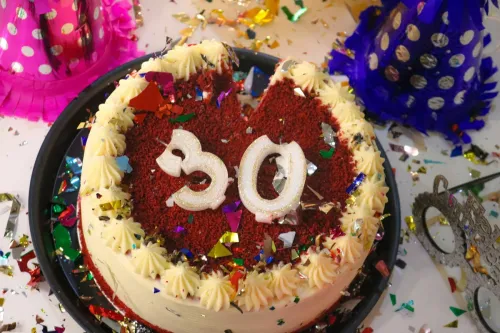
Tener in Spanish: Why You're Hungry, Cold & 30 Years
In Spanish you HAVE hunger, cold, and 30 years — not are them. Master tener expressions like tengo hambre, tengo frío, and tengo 30 años in one rule.
Vocabulary
Build your word bank with numbers, greetings, time expressions, and everyday phrases.

How to Introduce Yourself in Spanish: 12 Real Phrases
Introduce yourself in Spanish with 12 ready-to-speak phrases — name, origin, age, and job — in both tú and usted, with the verb traps that trip up beginners.

How to Tell Time in Spanish: A Beginner's Guide
Tell time in Spanish with one formula: es la una vs son las, y and menos for minutes, plus de la mañana, en punto, and 24-hour station times.

Spanish False Friends That Cause Real Embarrassment
Spanish false friends like embarazada and excitado don't mean what you think. Learn the trap words, the right ones to say instead, and how to stop guessing.
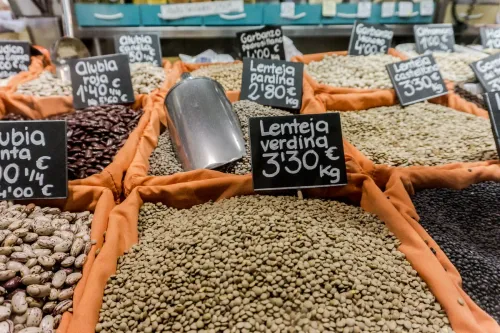
Spanish Numbers 1-100: Count, Spell & Pronounce
Spanish numbers 1 to 100 are a system, not a list: three patterns build every number. Master the spelling, the accent rule, and how to say prices fast.

Te Quiero vs Te Amo: Saying "I Love You" in Spanish
Te quiero vs te amo, explained: te quiero is the warm, safe everyday I love you; te amo is deeper and more romantic. A relationship-by-relationship map.
Culture
Context that textbooks skip — the history, traditions, and nuances behind the language.

Mexican Spanish Slang Every Traveler Should Know
Mexican Spanish slang decoded for travelers: what güey, mande, órale, and ahorita really mean, who you can safely say them to, and how rude each one is.
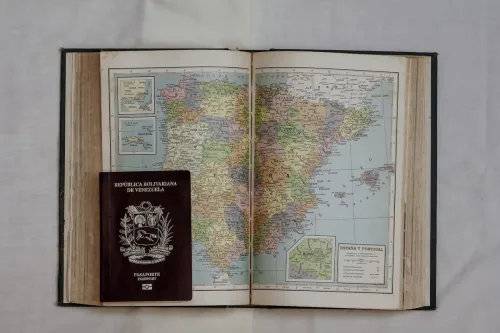
Spain vs Latin American Spanish: Key Differences
Spain and Latin American Spanish are fully mutually intelligible. Compare vosotros vs ustedes, coche vs carro, the 'th' sound, and learn which one to study.

Spanish Diminutives: What -ito and -ita Really Mean
Spanish diminutives rarely mean 'little.' Learn what -ito and -ita really signal — warmth, softening, downplaying — plus the -cito and -ecito formation rules.

The Spanish Cheek Kiss: Greeting Etiquette by Country
Two kisses in Spain, one in most of Latin America. Master the Spanish cheek kiss greeting — which cheek first, the air-kiss mechanics, and when to shake hands.

You're Welcome in Spanish: Beyond De Nada
You're welcome in Spanish is more than de nada. Learn con gusto, no hay de qué, a la orden and more — and which to use by region and how formal the moment is.
Learning Tips
Strategies and techniques to learn Spanish faster and retain more.
How to Memorize Spanish Vocabulary Fast (That Sticks)
Memorize Spanish vocabulary fast with a 15-minute daily loop: spaced repetition, frequency-first words, and example-sentence cards that actually stick.

How to Respond to ¿Cómo Estás? (Not Just Bien)
Respond to ¿cómo estás? like a native: add gracias, bounce back ¿y tú?, and pick a reply by mood — bien, no me quejo, más o menos, or ahí voy.

How to Roll Your Rs in Spanish (Even If You Can't Yet)
Roll your Rs in Spanish by building from the butter sound you already make, then adding airflow. A step-by-step method, minimal pairs, and self-check drills.

Spanish Filler Words: 15 Ways to Sound Natural
Spanish filler words like pues, o sea, and vale make you sound natural, not robotic. Learn 15 muletillas sorted by job, by region, and when not to use them.